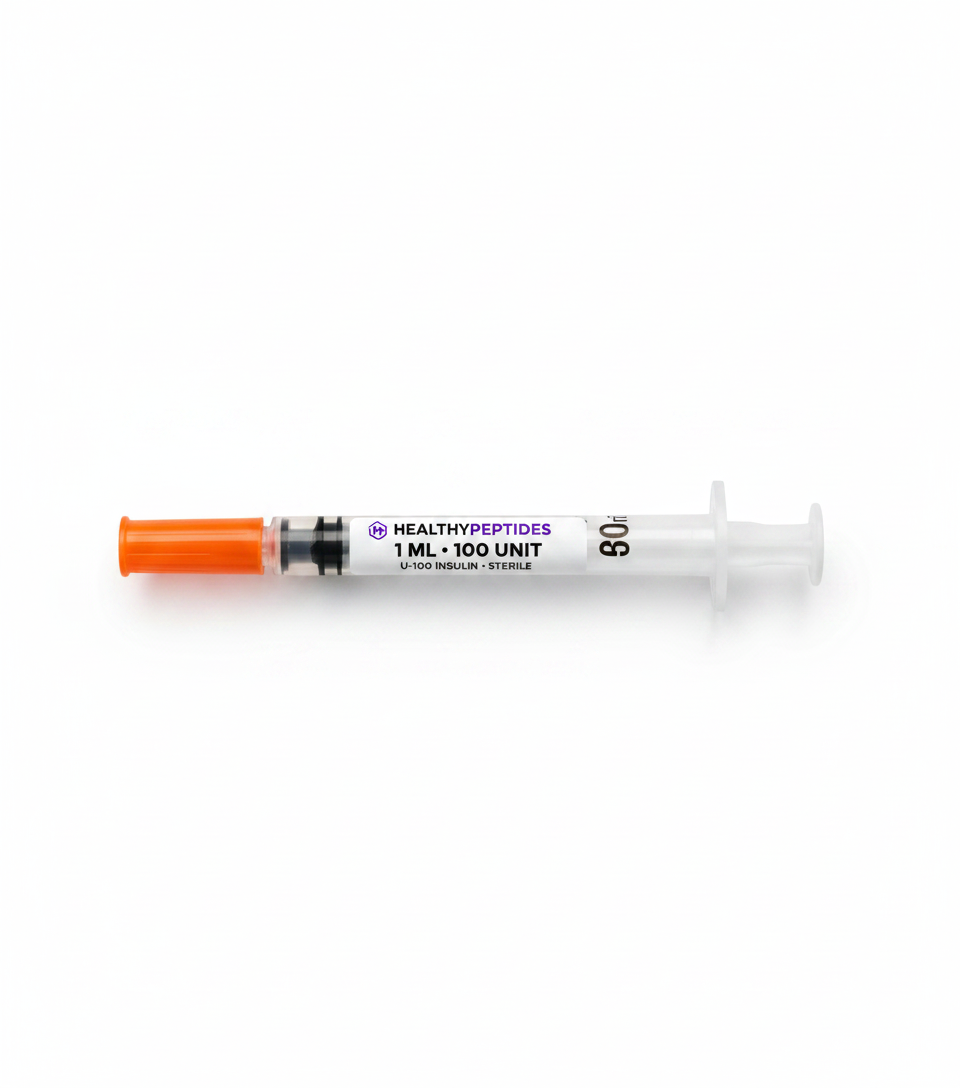
HEALTHYPEPTIDESPrecision · Purity · Research
For laboratory research only · not for human consumption
Back to products
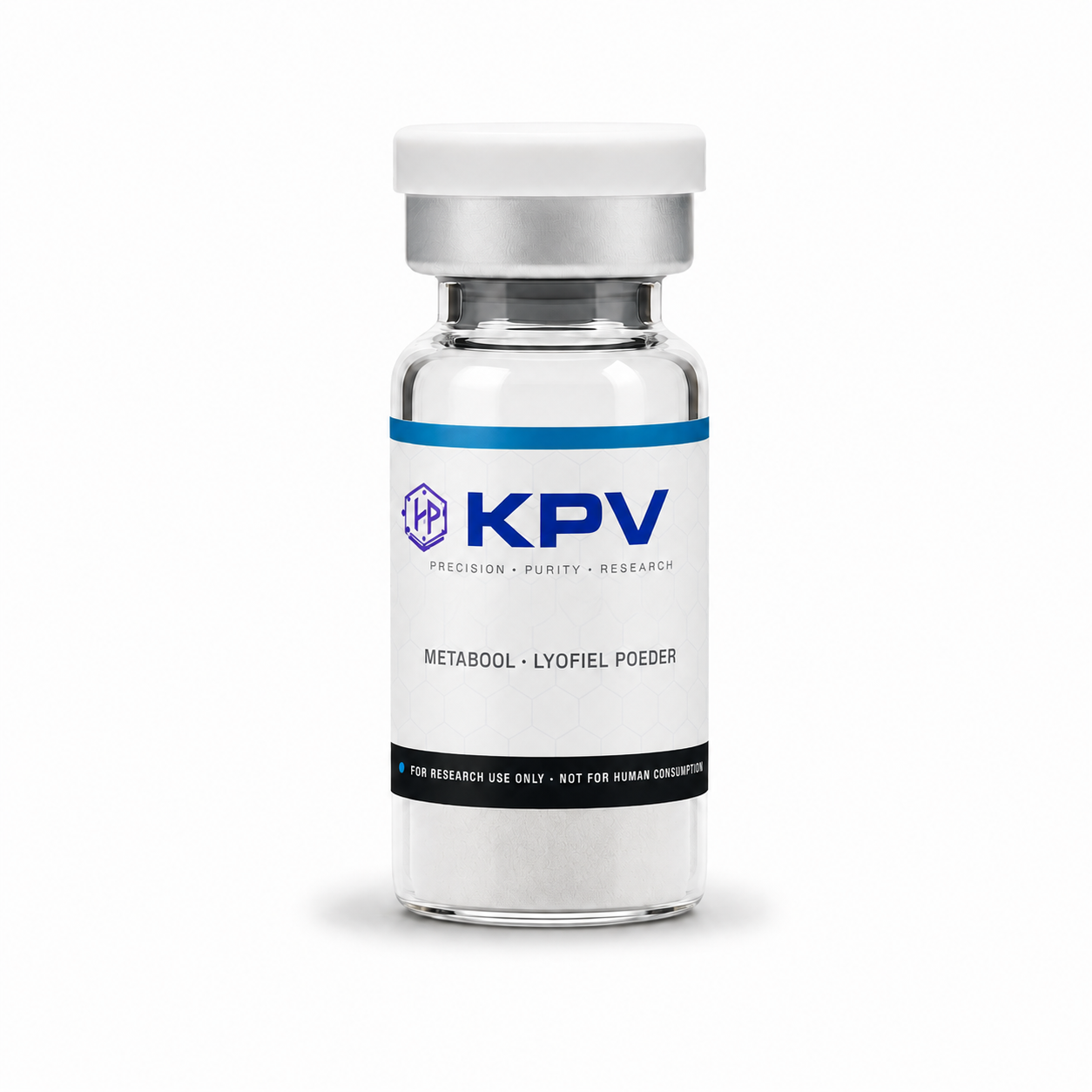
KPV
Lot PL-2716≥ 99% HPLCHealing & recovery
0.0 (0 reviews)

KPV (lysine-proline-valine) is a synthetic tripeptide corresponding to the C-terminal sequence (positions 11–13) of alpha-melanocyte-stimulating hormone (α-MSH). In preclinical models KPV inhibits the NF-κB signalling pathway by stabilising IκB-alpha, suppressing expression of pro-inflammatory mediators such as TNF-α, IL-1β and IL-6. This product is intended exclusively for scientific laboratory research and is not intended for human use.

Research areas

    Storage−20 °C, dry and dark
    FormLyophilised powder
    Mol. weight342.43 g/mol
    LotPL-2716

    Choose quantity

    Quantity

    1
    €54,95
    In stockShipped in 1–2 business daysCoA per batch

    Extra options

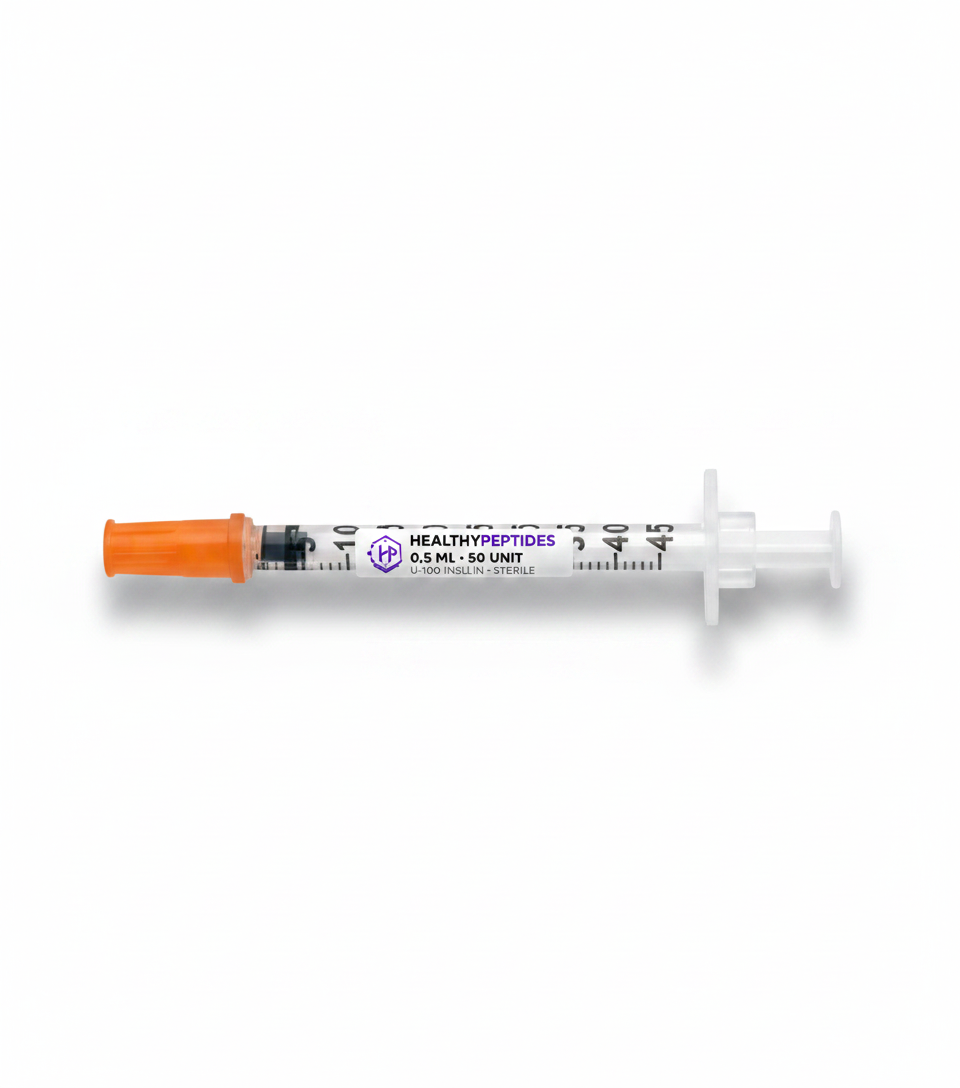
    1 ml insulin needles

    10 stuks · €5,00/pak
    0

    0.5 ml insulin needles

    10 stuks · €5,00/pak

    0

    KPV (lysine-proline-valine) is a synthetic tripeptide corresponding to the C-terminal sequence (positions 11–13) of alpha-melanocyte-stimulating hormone (α-MSH). In preclinical models KPV inhibits the NF-κB signalling pathway by stabilising IκB-alpha, suppressing expression of pro-inflammatory mediators such as TNF-α, IL-1β and IL-6. This product is intended exclusively for scientific laboratory research and is not intended for human use.

    What is KPV? Mechanism of action

    KPV is a tripeptide of lysine, proline and valine. It is the C-terminal fragment of α-MSH (alpha-melanocyte-stimulating hormone), the endogenous hormone whose final three amino acids it reproduces.

    What makes KPV interesting in the literature is that it appears to retain the anti-inflammatory signalling of α-MSH without the pigmentation effect of the full hormone: the melanocortin receptors that drive pigmentation are not engaged by the fragment in the same way. Research concentrates on intracellular inflammatory pathways, NF-κB in particular.

    Published work is almost entirely preclinical — cell culture and animal models, including models of intestinal inflammation and dermatological research. KPV holds no marketing authorisation as a medicine anywhere.

    We supply it as a lyophilised powder, solely as laboratory material for in-vitro research.

    Research areas

    The areas below recur in the published literature on this peptide. They are directions of research, not applications — no statement is made about efficacy or suitability for any use.

      Buying KPV for research

      KPV is only as useful as research material as the documentation that comes with it. This is what we record per batch:

      • Every batch is analysed by HPLC. The purity figure and its lot number appear on this page and on the label.
      • The lot number on the vial matches the certificate of analysis, so the measurement traces back to the vial you receive.
      • Supplied as a lyophilised powder rather than a solution — the form that best survives transport and storage.
      • For analytical and preclinical laboratory research only. Not for human or animal consumption.

      Reconstitution and storage

      Lyophilised and unopened, the peptide is kept cool, dry and dark. Brief exposure to room temperature in transit is normal for the powder, and is precisely why it ships in this form.

      The literature generally uses bacteriostatic water for reconstitution. Once reconstituted the solution has a limited shelf life and belongs in refrigerated storage. Exact conditions vary by protocol; we prescribe none.

      Specifications

      Storage−20 °C, dry and dark
      FormLyophilised powder
      Molecular weight342.43 g/mol
      Purity≥ 99% HPLC
      LotPL-2716

      Scientific sources

      The publications below are the primary literature on this molecule. They are listed as a pointer to published research and are not a claim about this product.
      1. 1.Kannengiesser K, et al. (2008). Melanocortin-derived tripeptide KPV has anti-inflammatory potential in murine models of inflammatory bowel disease. Inflammatory Bowel Diseases. PubMed 18092346
      2. 2.Elliott RJ, et al. (2004). α-Melanocyte-stimulating hormone, MSH 11-13 KPV and adrenocorticotropic hormone signalling in human keratinocyte cells. Journal of Investigative Dermatology. PubMed 15102092
      3. 3.Brzoska T, et al. (2010). Terminal signal: anti-inflammatory effects of α-melanocyte-stimulating hormone related peptides beyond the pharmacophore. Advances in Experimental Medicine and Biology. PubMed 21222263

      Frequently asked questions

      What does KPV cost?
      KPV costs € 54,95 for 10 mg. Ordering multiple vials applies a volume discount automatically.
      Can I order KPV in the Netherlands?
      Yes. We ship from the Netherlands, discreetly and neutrally packaged, with track and trace. Within the Netherlands and Belgium delivery normally takes 1–2 working days after processing, elsewhere in the EU 2–5 working days. Payment is by iDEAL and shipping is free from €75.
      Do I get a certificate of analysis with KPV?
      Yes. The current lot is PL-2716 with a measured purity of ≥ 99% HPLC. The lot number on the vial matches the certificate of analysis, so the measurement traces back to the vial you receive.
      How do I store KPV?
      Unopened, KPV is kept at −20 °C, dry and dark. It ships as Lyophilised powder; in that form it withstands transport. Once reconstituted the solution has a limited shelf life and belongs in refrigerated storage.
      What is KPV intended for?
      In-vitro laboratory research only. KPV is not intended for human or animal consumption, not for diagnostic use, and not for any therapeutic application. We provide no dosing and no administration guidance.
      KPV

      KPV

      10 mg · €54,95

      Buy KPV (10 mg) | CoA & ≥99% purity | HEALTHYPEPTIDES